
RGV Foot & Ankle Institute
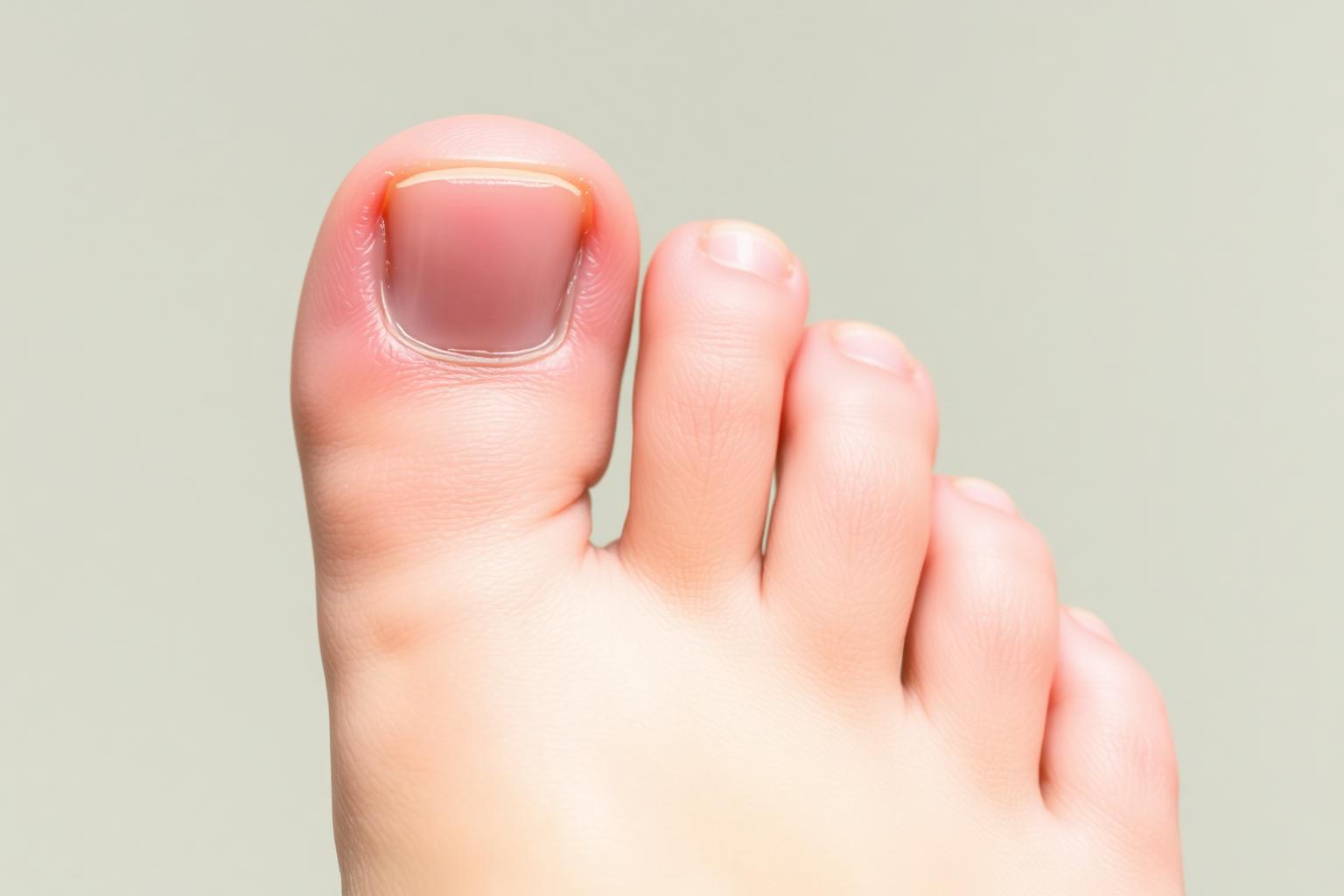
Ingrown Toenail
Treatment
Same-day pain relief and permanent surgical solutions for painful or recurring ingrown toenails — serving McAllen, Edinburg, Mission, and the Rio Grande Valley.
Onychocryptosis Care
End the pain — for good
Ingrown toenails are one of the most common — and most painful — conditions we see at RGV Foot & Ankle Institute. What starts as mild tenderness can quickly progress to swelling, infection, and difficulty wearing shoes or walking comfortably.
We treat the full spectrum of cases, from first-time ingrown nails relieved in a single visit to chronic, recurring nails that need permanent surgical correction. Every treatment is performed under local anaesthetic, in clinic, with minimal downtime.
Our goal is simple: take the pain away today, and put a plan in place so the same toe never bothers you again.
Why Choose Us
Comfortable, permanent ingrown nail care
Same-Day Pain Relief
Most patients walk out of their first appointment with the offending nail spike removed and immediate relief.
Conservative First
Where appropriate we use gentle nail edge resection — no surgery required, back in normal shoes the same day.
Permanent Solution
For chronic or recurring ingrown nails, partial nail surgery with phenolisation offers a permanent fix with a 97%+ success rate.
Diabetic-Safe Care
Specialised techniques and aftercare protocols for diabetic, immunocompromised, and high-risk patients.
Signs & Symptoms
Do you have an ingrown toenail?
If any of the following sound familiar, don't wait for it to get worse. Early treatment is faster, simpler, and dramatically reduces the chance of infection.
- Pain or tenderness along the side of the toenail
- Redness and swelling around the nail edge
- Yellow or clear discharge — a sign of infection
- Hard skin or proud flesh building up next to the nail
- Pain when wearing closed shoes or playing sport
- A nail that has previously been trimmed too short
- Recurring infections in the same toe
- Throbbing pain that worsens at night
Common Causes
Why ingrown toenails happen
Ingrown toenails are usually caused by a combination of nail shape, footwear, and how the nail is trimmed. Identifying your specific trigger is the first step to stopping recurrence.
- Cutting the toenail too short or rounded at the corners
- Tight or narrow footwear that compresses the toes
- Stubbing or trauma to the toe
- Inherited curved or involuted nail shape
- Sweaty feet that soften the surrounding skin
- Repetitive sport — running, soccer, football, dance
How It Works
What to Expect at Your Appointment
Assessment
Dr. Galvan examines the toe, checks for infection, and discusses how long it's been bothering you and how many times it's recurred.
Immediate Relief
Wherever possible we remove the offending nail spike at your first visit — bringing instant relief from the pain.
Treatment Plan
Conservative care for first-time issues, or permanent nail surgery for chronic and recurring ingrown toenails. We explain every option clearly.
Aftercare & Follow-Up
Simple at-home dressing instructions and a follow-up visit to confirm healing and rule out recurrence.
FAQ
Common Questions About Ingrown Toenail Treatment
What is an ingrown toenail?+
An ingrown toenail (onychocryptosis) is a condition where the side or corner of the nail grows into the surrounding skin instead of over it. This causes pain, redness, swelling, and often infection. The big toe is most commonly affected, though any toe can develop one.
Can I treat an ingrown toenail at home?+
Mild cases can sometimes be managed with warm salt water soaks, careful nail trimming, and roomy footwear. However, digging into the nail at home often makes it worse and increases infection risk. If you have ongoing pain, discharge, or recurrence, professional treatment is the safest route.
Will the treatment hurt?+
The toe is numbed with a small local anaesthetic injection before any procedure, so you won't feel pain during treatment. Most patients report only mild discomfort for a day or two afterwards, easily managed with simple pain relief.
What is nail surgery (phenolisation)?+
For recurring ingrown toenails we perform partial nail avulsion with phenolisation. Under local anaesthetic, a small strip of the offending nail edge is removed and the underlying nail-growing cells are chemically treated with phenol so that section never grows back. The procedure takes about an hour and has a 97%+ success rate.
How long is the recovery?+
Most patients return to school, desk work, and normal daily activity the next day. Sport and running are usually back within 1 to 2 weeks. The toe is fully healed in 4 to 6 weeks, with no visible scar and a normal-looking, narrower nail.
Can children have ingrown toenail surgery?+
Yes. Ingrown toenails are common in active teenagers and even younger children. We perform the procedure under local anaesthetic in a calm, supportive environment, and it's tolerated very well — far better than living with chronic toe pain.
Is treatment covered by insurance?+
Most insurance plans cover medically necessary ingrown toenail care, including surgical correction. Our McAllen front desk team will verify your benefits and review any out-of-pocket costs before treatment. HSA and FSA accounts can typically be used.
Get relief today
Book an ingrown toenail appointment with Dr. Galvan and his team. Same-day appointments are often available across the Rio Grande Valley.
Other Services
Minimally Invasive Bunion & Hammertoe Surgery
Micro-incision bunion and hammertoe correction — minimal scarring, walk the same day, no general anesthesia.
Laser Nail Therapy
Advanced laser treatment for fungal toenails and psoriatic nails — safe, painless, and clinically proven.
Regenerative Therapies
PRP, prolotherapy, and biologic injections that accelerate your body's natural healing of chronic foot and ankle pain.